

Are you curious to know whether stress and kidney disease are connected? Prolonged stress can negatively affect kidney health by increasing the risk of conditions that damage the kidneys. While stress does not directly cause most kidney diseases, it can contribute to conditions such as diabetes and high blood pressure and kidney problems, as well as inflammation, all of which may increase the risk of kidney damage.
Understanding how stress affects kidney health is an important step toward protecting your long-term well-being. Research suggests that stress and kidney health are closely linked through the body’s stress response. Long-term stress may raise cortisol levels, increase blood pressure, affect blood sugar control and encourage unhealthy habits that reduce kidney function over time.
Key Takeaways
Can stress affect my kidneys? Yes. Stress and kidney disease are connected because long-term stress can increase blood pressure, worsen diabetes, promote inflammation and affect kidney function.
Although stress does not directly cause most kidney diseases, managing stress and kidney health together can help reduce the risk of chronic kidney disease and support healthier kidneys.
- Stress and kidney disease are linked through several indirect health effects.
- Long-term stress may increase high blood pressure and kidney complications.
- Poor stress management can worsen diabetes and reduce kidney function.
- Healthy lifestyle habits support better kidney health and overall wellness.
- Early kidney disease prevention can reduce the risk of long-term complications.
- Routine kidney function monitoring helps detect kidney problems before they progress.
What Is Stress?
Stress is the body’s natural response to physical, emotional or mental challenges. It triggers the release of hormones such as cortisol and adrenaline, helping the body react quickly during difficult situations. While short-term stress is usually harmless, prolonged chronic stress and kidney disease concerns arise when stress continues for weeks or months without proper management.
Types of Stress and Their Impact on Kidney Health
Different types of stress affect the body differently. Understanding how stress affects kidney health can help you recognize potential risks and take steps to protect your kidneys.
Acute Stress (Short-Term Stress)
- Triggered by temporary situations such as illness, accidents, deadlines or emergencies.
- Usually resolves after the stressful event has passed.
- Rarely affects kidney function in otherwise healthy individuals.
Episodic Acute Stress
- Occurs when short-term stress happens repeatedly over time.
- Common in people with demanding schedules or ongoing pressure.
- May affect stress and kidney function by contributing to temporary increases in blood pressure.
Chronic Stress (Long-Term Stress)
- Lasts for weeks or months because of ongoing work, financial, family or health-related challenges.
- May contribute to inflammation, high blood pressure and poor blood sugar control.
- Long-term stress and kidney disease are connected because chronic stress increases the risk of conditions that can gradually affect kidney function.
Recognizing these different types of stress can help you manage them early and support better kidney health while reducing the risk of long-term kidney complications.
Reference: American Psychological Association (APA) – Stress; National Kidney Foundation (NKF) – Kidney Disease Risk Factors.
Common Sources of Stress
Understanding common stress sources can help you manage them early and protect kidney health from the long-term effects of chronic stress.
Physical Stress
Physical stress results from surgery, infections, injuries, chronic pain or poor sleep and may indirectly affect kidney function during prolonged illness or recovery.
Emotional or Psychological Stress
Emotional stress caused by anxiety, grief, work pressure, financial concerns or family responsibilities can demonstrate how stress affects kidney health when it becomes persistent.
Lifestyle Stress
Unhealthy habits, excessive workload, poor sleep and lack of exercise can increase long-term stress and gradually affect stress and kidney health over time.
Recognizing these common stress sources early supports healthier lifestyle choices and helps protect kidney health while reducing the risk of long-term complications.
Reference: National Institute of Mental Health (NIMH) – Stress, American Psychological Association (APA) – Stress Effects on the Body, National Kidney Foundation (NKF) – Kidney Disease Risk Factors
Can Stress and Kidney Disease Be Connected?
Can anxiety cause kidney problems? The short answer is no. Stress and kidney disease are related but anxiety or stress alone does not directly cause most kidney diseases. However, chronic stress may contribute to conditions such as high blood pressure, diabetes and inflammation that can gradually damage the kidneys if left untreated.
Understanding this connection can help you make informed lifestyle choices that support long-term kidney health.
- Stress does not directly cause kidney disease but it may increase the risk of conditions that affect kidney function.
- Long-term stress can raise cortisol levels, contributing to high blood pressure, diabetes and chronic inflammation.
- These conditions may gradually damage the kidneys and increase the risk of chronic kidney disease.
- People with existing kidney disease may find it more difficult to manage blood pressure and blood sugar when stress is not well controlled.
- Knowing how stress affects kidney health encourages early prevention, healthy habits and timely medical evaluation.
Managing chronic stress is an important step toward protecting kidney health and maintaining healthy kidney function over time.
Reference: National Kidney Foundation (NKF) – Kidney Disease Risk Factors.
How Stress Can Affect Kidney Health
Long-term stress and kidney disease are connected because chronic stress may contribute to health conditions that gradually affect kidney health and overall well-being.
Raises Blood Pressure
Chronic stress may increase blood pressure, placing extra strain on kidney blood vessels and gradually reducing kidney function over time.
Makes Diabetes Harder to Control
Stress hormones can raise blood sugar levels, making diabetes harder to manage and increasing the risk of chronic kidney disease.
Increases Inflammation
Persistent stress may promote inflammation throughout the body, which can worsen existing kidney damage and gradually affect kidney function.
Encourages Unhealthy Lifestyle Habits
Long-term stress may lead to poor diet, inactivity, smoking, alcohol use and inadequate sleep, negatively affecting stress and kidney health.
Affects Sleep and Recovery
Poor sleep caused by chronic stress may disrupt hormone balance, blood pressure regulation and recovery, influencing how stress affects kidney health.
Managing chronic stress through healthy habits can help protect kidney health, support healthy kidney function and reduce long-term kidney disease risks.
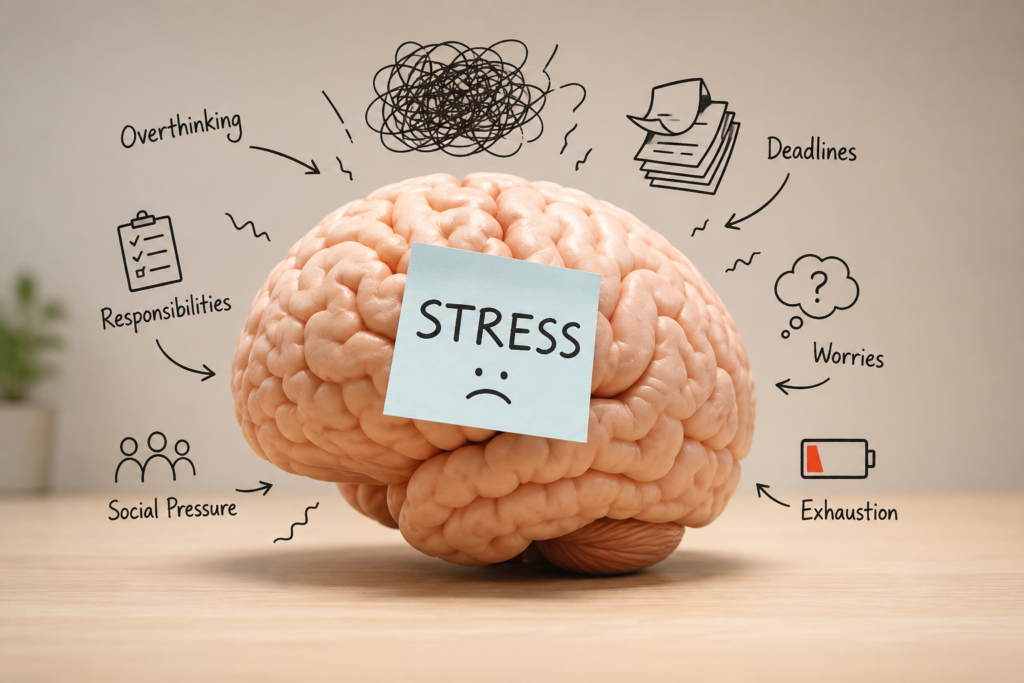
Can Stress Make Existing Kidney Disease Worse?
Yes. Stress and chronic kidney disease can influence one another. People living with kidney disease often experience emotional stress related to ongoing treatment, lifestyle changes or health concerns. At the same time, unmanaged stress may make controlling blood pressure, diabetes and overall kidney health more difficult.
For patients with chronic kidney disease, dialysis or a kidney transplant, reducing stress can support better treatment outcomes and improve quality of life. While stress is not the direct cause of worsening kidney disease, managing it can become an important part of comprehensive kidney disease management.
Signs That Stress May Be Affecting Your Health
Stress and kidney disease are not directly associated with specific kidney symptoms but chronic stress can increase the risk of conditions that may gradually affect kidney health.
If these symptoms persist, medical evaluation is recommended.
| Symptom | Possible Health Concern |
|---|---|
| Persistent high blood pressure | Increased risk to kidney function |
| Trouble sleeping | Poor overall kidney health support |
| Constant fatigue | Chronic stress or underlying illness |
| Frequent headaches | Elevated blood pressure |
| Difficulty concentrating | Long-term stress response |
| Poor blood sugar control | Increased diabetes complications |
| Increased anxiety | Ongoing stress and kidney health concerns |
If you also notice swelling, blood in the urine, foamy urine or changes in urination, seek medical evaluation because these may be signs of kidney disease symptoms rather than stress alone.
Who Is at Higher Risk of Stress-Related Kidney Problems?
Certain individuals are more likely to experience complications related to stress and kidney disease because they already have medical conditions that affect kidney function.
People at higher risk include:
- Individuals with chronic kidney disease
- People with diabetes
- Individuals with high blood pressure and kidneys complications
- Adults over the age of 60
- People living with long-term chronic stress
- Smokers
- Individuals with obesity
- People with a family history of kidney disease
- Patients with cardiovascular disease
If you belong to one of these groups, maintaining healthy lifestyle habits, reducing stress and scheduling regular kidney function monitoring can help lower the risk of future kidney complications.
Can Managing Stress Help Protect Your Kidneys?
Yes. While reducing stress cannot cure chronic kidney disease, managing stress and kidney disease together may help lower important risk factors that affect kidney function.
Some benefits of managing stress include:
- Better control of high blood pressure and kidneys health
- Improved blood sugar management for people with diabetes
- Lower levels of chronic inflammation
- Better sleep quality
- Healthier lifestyle choices
- Improved long-term kidney health
Healthy stress management supports better overall health and may reduce the progression of kidney-related conditions.
Simple Ways to Reduce Stress and Support Kidney Health
How to heal stressed kidneys? While stress cannot be completely avoided, healthy lifestyle habits can reduce stress and support long-term kidney health.
Exercise Regularly
Aim for at least 150 minutes of moderate exercise weekly to reduce stress, improve circulation and support healthy kidney function.
Get Enough Sleep
Getting 7–9 hours of quality sleep each night helps lower stress hormones and supports stress and kidney health.
Practice Stress-Reduction Techniques
Meditation, yoga, mindfulness and deep breathing may lower cortisol levels and improve stress and kidney function over time.
Follow a Healthy Diet
Eat fruits, vegetables, whole grains and lean proteins to support kidney health, following medical advice if you have kidney disease.
Stay Hydrated
Drinking adequate water supports normal kidney function, although people with kidney disease should follow their healthcare provider’s fluid recommendations.
Avoid Smoking and Limit Alcohol
Avoiding smoking and limiting alcohol helps protect blood vessels, reduce kidney damage and lower risk factors associated with stress and kidney disease.
Control Blood Pressure and Diabetes
Managing high blood pressure and diabetes helps lower the risk of chronic kidney disease and protects long-term kidney health.
Schedule Routine Kidney Checkups
Regular kidney function monitoring helps detect problems early and supports timely treatment before permanent kidney damage develops.
Combining healthy lifestyle habits with regular medical care supports kidney health and reduces the long-term effects of stress and kidney disease.
Foods That Support Kidney Health During Stress
How to keep kidneys healthy? A balanced diet cannot eliminate stress and kidney disease but it can support overall health and help reduce risk factors that affect the kidneys.
Foods that support kidney health include:
- Fruits such as apples, berries, grapes and cherries.
- Colorful vegetables that fit your kidney-friendly meal plan.
- Healthy fats, including olive oil and avocado oil.
- Lean protein sources such as fish, skinless poultry and eggs.
- Omega-3-rich fish like salmon, trout and sardines.
- Whole grains, if recommended by your healthcare provider.
- Low-sodium foods to help maintain healthy blood pressure.
- Adequate water intake, unless your healthcare provider recommends fluid restrictions.
Important: People with chronic kidney disease should seek medical advice before changing their diet. A kidney specialist or renal dietitian can recommend a personalized eating plan based on kidney disease stage and individual nutritional needs.
Choosing a balanced, kidney-friendly diet and following personalized nutrition advice can help support kidney health and overall well-being during periods of chronic stress.
Reference: National Kidney Foundation (NKF); National Institute of Diabetes and Digestive and Kidney Diseases (NIDDK).
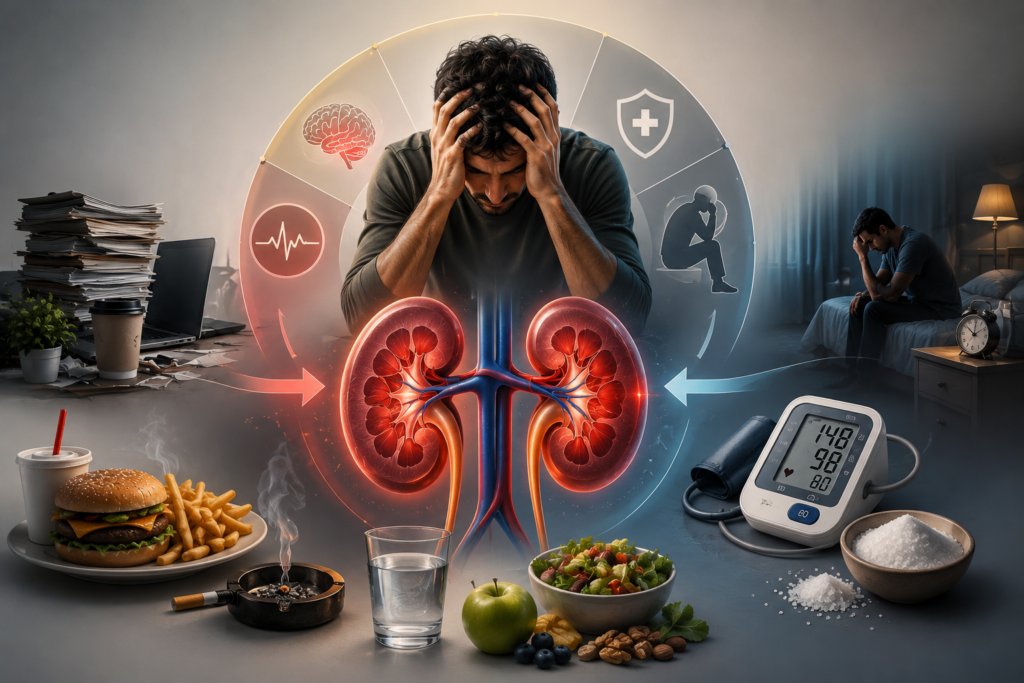
When Should You See a Kidney Specialist for Stress and Kidney Disease?
Stress alone does not usually require kidney treatment but certain symptoms or risk factors may indicate an underlying kidney condition that needs medical evaluation.
You should consider seeing a kidney specialist if you experience:
- Persistent high blood pressure and kidneys concerns despite treatment.
- Blood in the urine or protein in the urine.
- Swelling in the hands, feet, ankles or face.
- Frequent or unexplained changes in urination.
- Elevated creatinine or reduced eGFR on blood tests.
- Diabetes with declining kidney function.
- A family history of chronic kidney disease.
- Ongoing symptoms of kidney disease, such as persistent fatigue or loss of appetite.
Early evaluation by a kidney specialist supports timely diagnosis, protects kidney health and helps prevent long-term complications through appropriate treatment and monitoring.
How The Kidney MD Supports Your Kidney Health
If you’re looking for expert care for stress and kidney disease, The Kidney MD provides comprehensive nephrology services tailored to every stage of kidney health. Led by Dr. Saurabh A. Pande, a board-certified nephrologist, the practice focuses on early diagnosis, evidence-based treatment and personalized care.
The Kidney MD provides specialized care for patients concerned about stress and kidney disease, along with chronic kidney disease, hypertension, proteinuria, electrolyte disorders, dialysis management and kidney transplant follow-up. Our patient-centered approach focuses on preserving kidney function, preventing disease progression and supporting long-term kidney health.
Protect Your Kidney Health from the Effects of Stress with The Kidney MD
If you have persistent kidney disease symptoms, high blood pressure, diabetes or concerns about stress and kidney disease, don’t delay seeking professional care. The Kidney MD provides personalized kidney evaluations and treatment plans to help protect your kidney function and support long-term health.
Contact Information
The Kidney MD
Address: East Location, 11163 La Quinta Pl, Suite A200, El Paso, TX 79936
North East Location, 9101 Dyer St #102, El Paso, TX 79924
Call: 915-218-6055
Email: contactus@thekidneymd.com
Final Thoughts on Stress and Kidney Disease
The relationship between stress and kidney disease is primarily indirect but it should not be ignored. Chronic stress can increase blood pressure, affect blood sugar control, promote inflammation and encourage unhealthy lifestyle habits that place extra strain on the kidneys. Managing stress and kidney health supports healthier kidney function and may reduce future kidney disease risk.
Managing stress, maintaining healthy daily habits and monitoring your kidney health can help reduce the risk of future kidney problems. If you have kidney disease risk factors or notice persistent symptoms, schedule an evaluation with The Kidney MD for expert, personalized kidney care that helps preserve kidney function and supports long-term kidney health.
Caring for your mental well-being is also an investment in your long-term kidney health.
FAQs – Stress and Kidney Disease: How Stress Can Affect Your Kidney Health
Q1. Can stress and kidney disease be connected?
Ans. Yes. Stress and kidney disease are connected indirectly because chronic stress can increase the risk of high blood pressure, diabetes and inflammation that may affect kidney health.
Q2. Can anxiety cause kidney problems?
Ans. Anxiety alone does not directly cause kidney disease but long-term stress may contribute to health conditions that can gradually affect kidney function.
Q3. Can stress make existing kidney disease worse?
Ans. Yes. Chronic stress may make it harder to control blood pressure and blood sugar, which can worsen existing kidney disease and increase the risk of complications.
Q4. How can I protect my kidneys from stress?
Ans. Regular exercise, quality sleep, a balanced diet, stress-management techniques and routine kidney checkups can help support healthy kidneys and reduce future kidney disease risks.
Q5. When should I visit The Kidney MD?
Ans. If you have persistent high blood pressure, diabetes, swelling, blood or protein in the urine or abnormal kidney function tests, schedule an evaluation with The Kidney MD for personalized kidney care and expert treatment.