
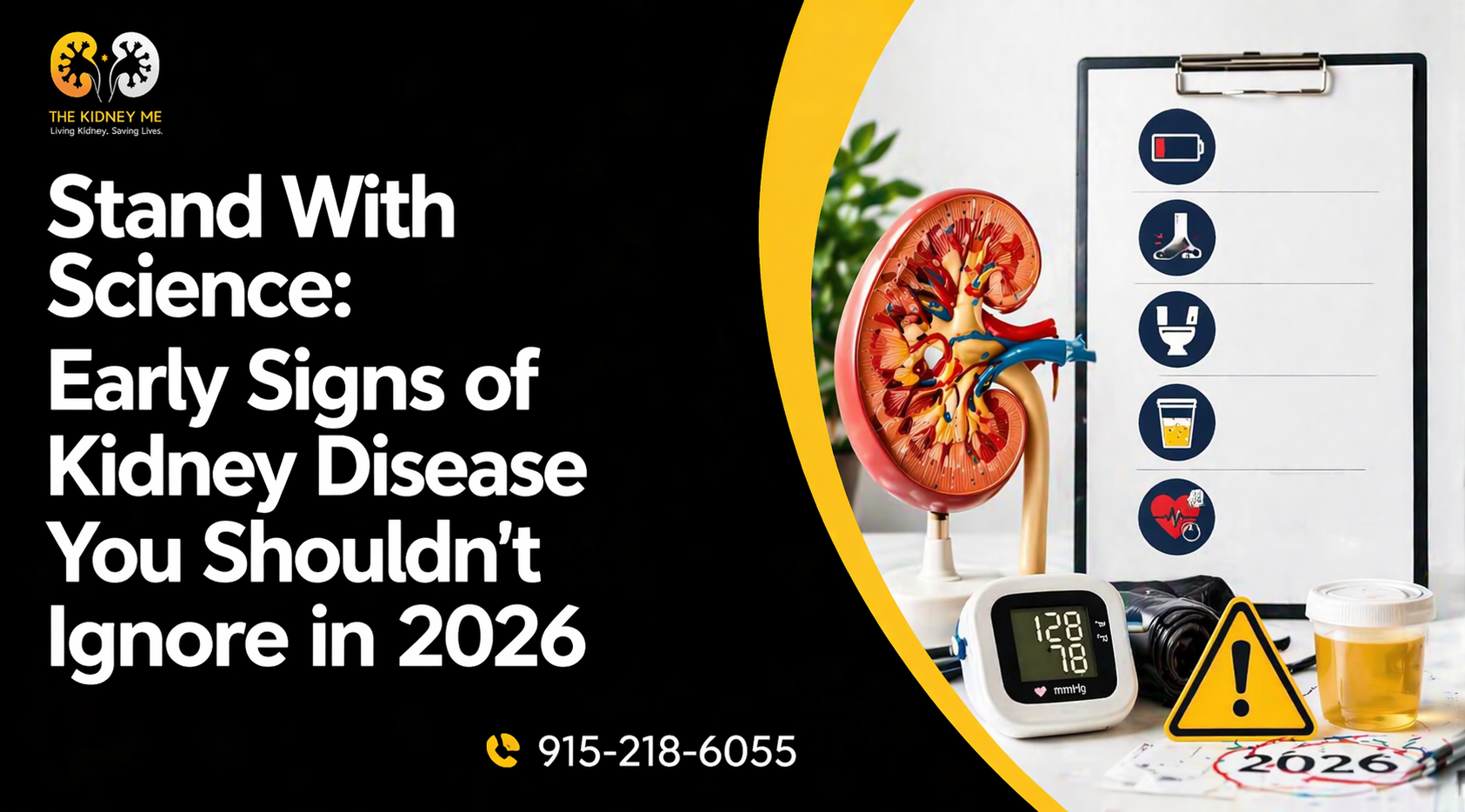
When it comes to protecting your health, kidney issues are easy to miss at first. That is part of what makes them so tricky. A lot of people expect something dramatic, sharp pain, an obvious warning, or a major change that feels impossible to ignore. But real life usually does not work that way. In many cases, the body starts whispering long before it starts shouting.
That is why paying attention matters so much in 2026. People are more aware than ever that prevention, routine labs, and timely medical guidance can make a huge difference. At KIDNEY MD, the goal is simple: help people understand what their bodies may be trying to say before a silent problem becomes a serious one.
The conversation around early signs of kidney disease is becoming more important for a reason. These subtle changes can show up in everyday life and still be brushed off as stress, dehydration, aging, poor sleep, or just “one of those things.” The truth is that small shifts in energy, urination, swelling, or focus can sometimes point to something deeper that deserves attention.
Why kidney changes are often missed
Kidneys do a lot behind the scenes. They help filter waste, balance fluids, regulate minerals, and support blood pressure control. Since they work quietly in the background, trouble can build gradually without creating obvious pain.
That is also why many kidney disease symptoms can feel vague at first. You may notice that something feels off, but not enough to sound an alarm right away. A person might feel more tired than usual, have puffiness around the eyes, or start waking up more often at night to urinate. None of those changes automatically mean there is a kidney issue, but they should not always be ignored either.
A science-based approach means looking at patterns, not just isolated moments. One bad day is one thing. Changes that linger, return, or slowly worsen are worth discussing with a healthcare professional.
Subtle body signals that deserve a closer look
Some warning signs are easy to dismiss because they overlap with everyday problems. Still, it helps to know what may be worth tracking.
Here are a few possible kidney health warning signs to keep on your radar:
- Swelling in the ankles, feet, hands, or around the eyes
- Changes in how often you urinate
- Foamy or unusually dark urine
- Fatigue that does not improve with rest
- Muscle cramps or persistent weakness
- Trouble concentrating or brain fog
- Dry, itchy skin that seems out of the ordinary
- A general feeling that your body is “off” for no clear reason
None of these symptoms should be used to self-diagnose. They are simply clues that may justify a closer look, especially if more than one is happening at the same time.
The early stage can look surprisingly ordinary
One reason people delay care is because they think kidney trouble always feels severe. In reality, some early kidney failure signs can blend into normal routines so well that they are overlooked for months.
For example, a person may assume swollen feet are from standing too long. They may blame fatigue on work or parenting. They may link headaches to stress and changes in urination to drinking more water. That is understandable. But when these issues start forming a pattern, the smartest next step is not panic, it is evaluation.
This is where science really matters. Lab work, blood pressure readings, urine testing, and medical history can reveal things the body alone may not explain clearly. Early action creates more room for better outcomes, lifestyle adjustments, and careful monitoring.
What chronic kidney disease can feel like
As kidney function changes over time, symptoms may become more consistent. Some people experience a slow buildup rather than a sudden shift. That is why learning the symptoms of chronic kidney disease can be so useful.
These may include ongoing fatigue, reduced appetite, nausea, swelling, sleep problems, and changes in urination. In some cases, people also notice shortness of breath, trouble focusing, or a metallic taste in the mouth. Again, these symptoms are not exclusive to kidney conditions, but they should not be brushed aside when they persist.
The key idea is this: your body does not need to feel “dramatically sick” for something important to be going on. Sometimes the biggest clue is simply that you no longer feel like yourself.
Risk factors make these signs more important
Symptoms matter on their own, but they matter even more if someone already has known risk factors. That includes people with high blood pressure, diabetes, a family history of kidney conditions, autoimmune disorders, or a history of recurrent kidney infections.
If that sounds like you, paying attention to subtle changes is not overreacting. It is smart. In fact, kidney problems early detection often starts with noticing a symptom that seems minor, but is not normal for your body.
A few reasons to be extra proactive:
- You have been told your blood pressure is high
- Diabetes runs in your family or has already been diagnosed
- A close relative has had kidney disease
- You use certain medications frequently and for long periods
- You have had kidney stones more than once
- Your recent lab work showed unusual kidney-related numbers
When risk factors and new symptoms show up together, it is a good idea to move from guessing to testing.
Knowing when to stop waiting
A lot of people wonder how long they should “watch and see” before making an appointment. The answer depends on the symptom, your history, and whether the issue is getting worse. But in general, ongoing swelling, persistent fatigue, blood in the urine, or major shifts in urination should not be left alone.
Understanding when to see a nephrologist can save time and reduce uncertainty. A nephrologist is a kidney specialist who can evaluate abnormal kidney labs, unexplained protein in the urine, difficult blood pressure issues, or symptoms that suggest declining kidney function. Sometimes your primary care provider will make that referral after initial testing. Other times, especially if there is a history of kidney disease, specialist care may come into the picture sooner.
It helps to seek medical guidance if:
- Symptoms have lasted more than a couple of weeks
- You have multiple changes happening at once
- Your blood pressure has become harder to control
- Urine looks persistently foamy, dark, or bloody
- Swelling keeps returning
- Routine labs come back abnormal
The goal is not to assume the worst. The goal is to avoid missing something important.
What a science-first approach looks like in 2026
This is a good time to take kidney health seriously because people have better access to education, screening awareness, and practical health tracking than ever before. A science-first mindset means listening to your body while also confirming concerns with real data.
That might include:
- Blood tests that measure kidney function
- Urine tests that check for protein or blood
- Blood pressure monitoring over time
- Review of medications and supplements
- A conversation about symptoms, family history, and risk level
At KIDNEY MD, that kind of balanced approach matters. You do not need fear-based messaging to understand why kidneys deserve attention. You just need clear information, the willingness to notice change, and the confidence to get checked when something feels off.
Final Thoughts
The biggest mistake people make is assuming a health problem has to feel intense before it becomes real. Kidney issues often develop quietly, and that is exactly why awareness matters. A little curiosity about your own symptoms can go a long way.
Trust your body, but also trust good medical evaluation. If something has changed and it keeps nagging at you, it is worth looking into. Paying attention early is not being dramatic. It is being informed, proactive, and kind to your future self. That is the kind of mindset KIDNEY MD believes in.