
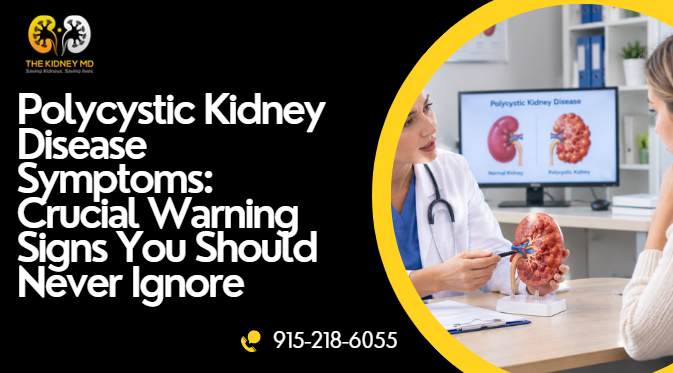
Have you experienced persistent back pain, blood in your urine, or high blood pressure without a clear reason? These changes can have several causes, but they may also be linked to polycystic kidney disease symptoms.
Polycystic kidney disease (PKD) is an inherited condition that causes fluid-filled cysts to grow in the kidneys. Over time, these cysts can enlarge the kidneys and affect kidney function. Some people have no noticeable symptoms for years, while others develop complications earlier.
Recognizing the signs of polycystic kidney disease can help you seek timely medical advice. This guide covers polycystic kidney disease symptoms and treatment, including warning signs, diagnosis, and ways to manage the condition.
Quick Insight: What are the Symptoms of Polycystic Kidney Disease?
Common polycystic kidney disease symptoms include back or side pain, high blood pressure, blood in the urine, abdominal fullness, and frequent urination. Kidney stones and urinary infections may also occur. Symptoms can remain unnoticed for years, especially in the early stages.
What Is Polycystic Kidney Disease?
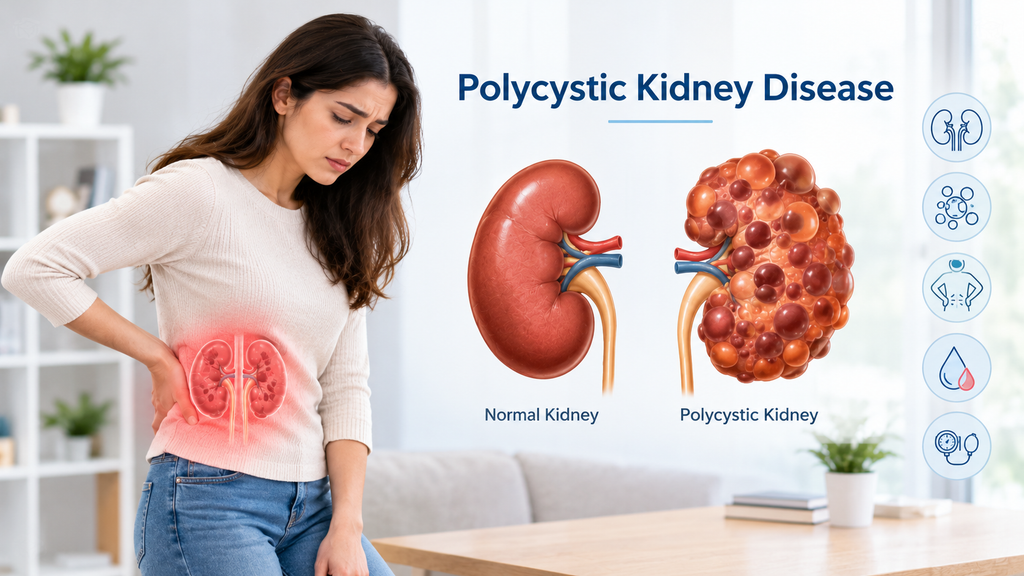
Polycystic kidney disease (PKD) is a genetic condition in which multiple fluid-filled cysts develop in the kidneys. As cysts grow, they can enlarge the kidneys, damage healthy tissue, and reduce kidney function.
Unlike simple kidney cysts, which are often harmless, PKD is diagnosed using cyst patterns, family history, age, and imaging results.
The two main types are:
- Autosomal dominant polycystic kidney disease (ADPKD): The most common type, usually diagnosed in adulthood.
- Autosomal recessive polycystic kidney disease (ARPKD): A less common type that often affects babies and children.
How common is polycystic kidney disease?
According to the National Institute of Diabetes and Digestive and Kidney Diseases (NIDDK), PKD affects about 500,000 people in the United States. The symptoms and rate of progression vary from person to person.
Crucial Polycystic Kidney Disease Symptoms and Signs
The symptoms of polycystic kidney disease vary, but the following signs may indicate cyst growth or related complications.
1. Back or Side Pain
Growing kidney cysts can cause discomfort in the back or sides, while complications may lead to sudden pain.
- Dull or persistent pain between the ribs and hips
- Pain on one or both sides
- Sudden or severe pain that needs prompt medical assessment
2. Blood in the Urine
Blood in the urine, known as hematuria, can occur when a kidney cyst bleeds.
- Pink, red, or brown urine
- Blood detected during a urine test
- Bleeding that needs medical evaluation to identify the cause
3. High Blood Pressure
High blood pressure is a common complication of polycystic kidney disease and may develop before other symptoms appear.
- Repeatedly high blood pressure readings
- Blood pressure that is difficult to control
- High readings found during routine checkups
4. Abdominal Pain or Fullness
Enlarged kidneys can cause abdominal discomfort or a feeling of fullness as cysts grow.
- Persistent abdominal discomfort
- A feeling of pressure or fullness
- Noticeable abdominal enlargement in some cases
5. Frequent Urination
Some people with PKD symptoms notice changes in how often they urinate.
- Needing to urinate more often
- Waking up frequently at night to urinate
- Persistent urinary changes that affect daily activities
6. Kidney Stones
PKD can increase the risk of kidney stones, which may cause pain or block urine flow.
- Sharp pain in the back, side, or lower abdomen
- Nausea or vomiting during a painful episode
- Blood in the urine associated with a stone
7. Recurrent Urinary Tract or Kidney Infections
Some people develop repeated urinary tract infections or, less commonly, kidney cyst infections.
- Repeated urinary infections
- Fever or chills
- Back or side pain with fever, which needs prompt medical attention
8. Enlarged Kidneys
Growing cysts can increase kidney size, sometimes without causing noticeable symptoms.
- Enlarged kidneys detected on an ultrasound or other scan
- Abdominal fullness in some cases
- Imaging findings that require medical interpretation
These warning signs can have causes other than PKD. Persistent symptoms should be assessed by a doctor, while sudden severe pain or fever with flank pain may require urgent care.

What Are the Early Symptoms of Polycystic Kidney Disease?
The early signs of polycystic kidney disease may be mild or absent. Some people discover PKD during routine blood pressure checks or imaging tests. Possible early findings include high blood pressure, occasional back or side pain, and blood in the urine. However, these symptoms alone cannot confirm that cysts are present.
If a parent or close family member has PKD, ask your doctor whether screening is appropriate. Early diagnosis can help you monitor blood pressure and kidney function and manage complications as they arise.
What Causes Polycystic Kidney Disease?
The causes of polycystic kidney disease are usually genetic changes that lead to fluid-filled cysts growing in the kidneys.
- ADPKD: Usually develops when a child inherits a disease-causing gene variant from one parent. Each child of an affected parent generally has a 50% chance of inheriting it.
- ARPKD: Usually occurs when a child inherits disease-causing gene variants from both parents.
- Spontaneous genetic changes: PKD can develop even when there is no known family history.
Key Insight: PKD is an inherited genetic condition, not a result of specific foods or inadequate water intake. Healthy habits can help manage complications and support kidney health, but they cannot eliminate the underlying genetic cause.
Polycystic Kidney Disease Symptoms in Adults and Children
Polycystic kidney disease symptoms in adults often appear with ADPKD, while polycystic kidney disease symptoms in children may occur before birth or during infancy, particularly with ARPKD.
| Adults | Children |
| High blood pressure | High blood pressure |
| Back or side pain | Enlarged kidneys |
| Blood in the urine | Reduced kidney function |
| Kidney stones | Urinary problems |
| Urinary tract infections | Breathing problems in severe cases |
Symptoms vary depending on the type and severity of polycystic kidney disease. A doctor can recommend appropriate testing based on age, symptoms, and family history.
How Is Polycystic Kidney Disease Diagnosed?
A polycystic kidney disease diagnosis relies on family history, medical evaluation, and imaging tests to identify kidney cysts.
Common tests include:
- Kidney ultrasound: Detects cysts using sound waves.
- CT or MRI scans: Provide detailed kidney images.
- Blood tests: Measure creatinine and estimate eGFR.
- Urine tests: Check for blood, protein, or infection.
- Genetic testing: Helps clarify uncertain cases or assess inherited risk.
Not everyone with PKD needs every test. Polycystic kidney disease symptoms and disease progression vary, so a nephrologist recommends appropriate testing based on age, symptoms, and family history.
How Is Polycystic Kidney Disease Treated?
There is no universal cure for inherited polycystic kidney disease, but treatment can manage complications and help preserve kidney function. Recognizing polycystic kidney disease symptoms can help patients seek timely medical care.
- Blood Pressure Control: Medication can help manage high blood pressure and protect kidney function.
- Pain Management: Treatment depends on the cause, such as cyst complications or kidney stones.
- Infection Treatment: Doctors prescribe appropriate medication for bacterial infections.
- Disease Progression Management: Treatment may help slow the decline in kidney function.
- Regular Monitoring: Blood tests, blood pressure checks, and imaging help track kidney health.
- Advanced Kidney Care: Dialysis or kidney transplantation may be needed if kidney failure develops.
The right polycystic kidney disease treatment and medication for polycystic kidney disease depend on kidney function, disease progression, and individual needs. A nephrologist can recommend suitable options and monitor care.
Can Polycystic Kidney Disease Be Prevented?
Inherited PKD cannot currently be prevented, but managing health risks can help reduce complications associated with polycystic kidney disease symptoms.
Polycystic kidney disease prevention strategies may include:
- Keep blood pressure under control.
- Follow your prescribed treatment plan.
- Stay physically active as advised by your doctor.
- Discuss suitable food choices and fluid intake.
- Ask before using medicines that may affect kidney function.
- Consider genetic counseling if PKD runs in your family.
These steps can support kidney health and help manage complications, but they cannot eliminate the inherited genetic condition.
When Should You See a Nephrologist?
Consult a nephrologist if you have polycystic kidney disease symptoms, known kidney cysts, a family history of PKD, or abnormal kidney test results. Seek urgent medical care for sudden severe pain, blood in the urine, fever with side pain, or significantly reduced urine output.
Kidney Care at The Kidney MD
The Kidney MD provides patient-focused nephrology care in El Paso, Tx, for people with kidney conditions. If you experience polycystic kidney disease symptoms, have a family history of PKD, or are concerned about your kidney function, a kidney specialist can help assess your condition and recommend appropriate care.
Ready to manage your kidney health? Get treatment for polycystic kidney disease in El Paso, TX, with The Kidney MD. Take the first step toward expert kidney care today.
Contact Information
The Kidney MD
Address: East Location, 11163 La Quinta Pl, Suite A200, El Paso, TX 79936
North East Location, 9101 Dyer St #102, El Paso, TX 79924
Call: 915-218-6055
Email: contactus@thekidneymd.com
Final Thoughts
Recognizing polycystic kidney disease symptoms can help you know when to seek medical advice, but symptoms alone cannot confirm PKD. Some people have no noticeable signs for years, making family history, appropriate testing, and regular monitoring important.
If you have persistent symptoms, known kidney cysts, or a family history of PKD, speak with a nephrologist about your next steps. The Kidney MD can help you understand your kidney health and explore appropriate care options in El Paso.
FAQs – Polycystic Kidney Disease Symptoms: Crucial Warning Signs You Should Never Ignore
Q1. What are the first signs of polycystic kidney disease?
Ans. Early signs may include high blood pressure, back or side pain, or blood in the urine. However, polycystic kidney disease symptoms may remain unnoticed for years.
Q2. What is the main cause of polycystic kidney disease?
Ans. PKD is usually caused by inherited genetic changes. ADPKD generally occurs when a disease-causing variant is inherited from one parent, while ARPKD usually requires variants from both parents.
Q3. Can polycystic kidney disease be cured?
Ans. There is currently no cure for inherited PKD. However, treatment can manage complications and help preserve kidney function. Selected patients may benefit from treatment that slows disease progression.
Q4. What are the symptoms of polycystic kidney disease in adults?
Ans. Adult polycystic kidney disease symptoms may include high blood pressure, back or side pain, blood in the urine, abdominal fullness, frequent urination, and kidney stones. Some adults have no noticeable symptoms.
Q5. What are the symptoms of PKD?
Ans. PKD symptoms may include high blood pressure, back or side pain, blood in the urine, and abdominal fullness. Some people have no noticeable symptoms for years.