

Are you looking for the best glomerular treatment in El Paso? Glomerular disease affects the tiny filtering units in your kidneys, making it difficult to remove waste and extra fluid from the blood. Understanding glomerular disease symptoms such as foamy urine, blood in urine, swelling and high blood pressure can help you recognise potential kidney problems early.
Finding the right glomerular disease treatment starts with an accurate diagnosis and guidance from an experienced kidney specialist. At The Kidney MD, Dr. Saurabh A. Pande, MD, FNKF, FASN, brings more than 19 years of clinical experience in managing complex kidney conditions. His personalized approach focuses on kidney health management, early detection and protecting long-term kidney function.
Quick Answer: What Is the Best Treatment for Glomerular Disease?
The best glomerular disease treatment depends on its cause, type and severity. Treatment may include blood pressure medications, immune-suppressing medicines, infection management, dietary changes and regular kidney function monitoring. Early diagnosis by a nephrologist in El Paso, TX, helps identify the right approach and reduce the risk of further kidney damage.
Key Takeaways
- Glomerular disease affects the tiny filters responsible for cleaning blood inside the kidneys.
- Common glomerular disease symptoms include foamy urine, blood in urine, swelling and high blood pressure.
- Glomerular disease causes may include autoimmune conditions, infections, diabetes and inherited disorders.
- Urine tests, blood tests, imaging and sometimes a kidney biopsy help confirm the diagnosis.
- Glomerulonephritis treatment depends on the underlying cause and may involve medications and lifestyle changes.
- Early kidney inflammation treatment can help slow kidney damage and protect kidney function.
- Getting timely glomerular treatment in El Paso can help patients manage their condition and monitor long-term kidney health.
What Is Glomerular Disease and How Does It Affect the Kidneys?
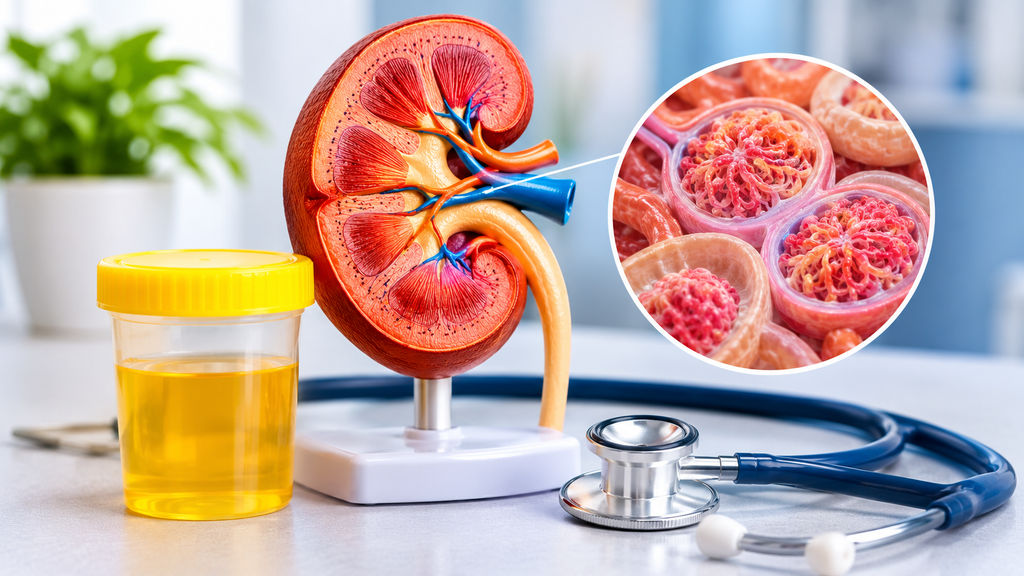
Glomerular disease is a group of glomerular disorders that damage the tiny filters in the kidneys. These filters form the kidney filtration system, removing waste and extra fluid from the blood.
When damaged, they may allow protein and blood cells to leak into the urine, causing glomerular disease symptoms such as foamy or bloody urine. Early glomerular disease treatment can help protect kidney function.
Common Types of Glomerular Disorders
- Glomerulonephritis: Inflammation of the glomeruli that affects normal kidney filtration.
- IgA nephropathy: A condition in which an antibody called immunoglobulin A builds up in the kidneys and causes inflammation.
- Lupus nephritis: Kidney inflammation caused by the autoimmune disease lupus.
- Focal segmental glomerulosclerosis (FSGS): A condition that causes scarring in parts of the glomeruli.
- Membranous nephropathy: A disorder that damages the filtering membrane and can lead to protein leakage.
Each condition affects kidney function differently and may have different glomerular disease causes and treatment requirements. Therefore, an accurate diagnosis is essential before choosing the right treatment plan.
What Causes Glomerular Diseases?
Glomerular diseases can develop due to immune system problems, infections, inherited conditions or other health issues. Sometimes, the exact glomerular disease causes remain unknown.
Common causes include:
- Autoimmune Conditions – Conditions such as lupus and vasculitis can cause the immune system to attack healthy tissues, leading to kidney inflammation and damage to the glomeruli.
- Infections – Bacterial and viral infections can trigger kidney inflammation. Streptococcal infections, hepatitis B and hepatitis C are linked to certain glomerular disorders.
- Diabetes and High Blood Pressure – Long-term high blood sugar and uncontrolled blood pressure can damage the kidney’s blood vessels and filtering structures, increasing the risk of kidney damage.
- Genetic and Inherited Conditions – Inherited conditions such as Alport syndrome can affect kidney structure and function, causing long-term glomerular problems.
- Medicines and Other Health Conditions – Certain medicines and systemic diseases may affect the glomeruli. Identifying the underlying cause helps a nephrologist recommend suitable glomerular disease treatment.
What Are the Common Glomerular Disease Symptoms?
Glomerular disease symptoms vary depending on the type and severity of kidney damage. Some people may not notice signs in the early stages, while others experience changes in urine or swelling.
Watch for these common warning signs:
- Foamy urine: Excess protein can make urine appear bubbly or foamy.
- Blood in urine: Damaged kidney filters may allow blood cells to enter the urine, making it pink, red or brown.
- Swelling: Fluid buildup can cause swelling around the eyes, face, hands, feet or ankles.
- High blood pressure: Kidney damage can affect blood pressure regulation.
- Changes in urination: You may notice reduced urine output or frequent urination at night.
- Fatigue: Reduced kidney function can cause tiredness and weakness.
- Weight gain: Fluid retention may lead to unexplained weight gain.
Persistent symptoms need medical evaluation, as early glomerular disease diagnosis can help prevent further kidney damage. Seek urgent care for breathing difficulty, very little urine or severe swelling.
How Is Glomerular Disease Diagnosed?
Glomerular disease diagnosis involves checking kidney function, detecting inflammation and identifying the underlying cause. A nephrologist may recommend the following tests based on your symptoms and medical history.
1. Medical History and Physical Examination
The doctor reviews your symptoms, medications, family history and existing health conditions. They may also check your blood pressure and look for swelling.
2. Urine Tests
A urinalysis checks for blood and protein in the urine. Tests such as uACR and uPCR measure protein leakage and help identify kidney filtration problems.
3. Blood Tests
Blood tests measure creatinine and blood urea nitrogen (BUN). The estimated glomerular filtration rate (eGFR) shows how well your kidneys filter waste. Additional tests may check for infections or autoimmune conditions.
4. Imaging Tests
A kidney ultrasound helps examine kidney size, shape and structure. It may also help identify other possible kidney problems.
5. Kidney Biopsy
A kidney biopsy involves examining a small kidney tissue sample under a microscope. It helps identify the specific glomerular disorder, assess damage and guide treatment. Not every patient needs a biopsy; the nephrologist decides based on clinical findings.
What Are the Treatment Options for Glomerular Disease?
The right glomerular disease treatment depends on the underlying cause, kidney function and severity of inflammation. Treatment aims to control symptoms, manage kidney damage and protect long-term kidney function. A nephrologist may recommend the following options.
1. Medications and Immunosuppressive Therapy
Doctors may prescribe corticosteroids or other immunosuppressive medicines to reduce inflammation caused by certain autoimmune conditions. These medicines are not suitable for every patient and require medical supervision.
2. Blood Pressure Management
Controlling blood pressure is an important part of kidney inflammation treatment. ACE inhibitors or ARBs may help manage blood pressure and reduce protein leakage in urine. Regular monitoring of kidney function and potassium levels is necessary.
3. Treatment of Underlying Infections
If an infection causes kidney inflammation, doctors may recommend antibiotics or other infection-specific medicines to manage the condition and prevent complications.
4. Dietary and Lifestyle Changes
Healthy habits can support kidney function and complement medical care. Your doctor may recommend:
- Reducing sodium to manage swelling and blood pressure.
- Following an appropriate protein intake.
- Maintaining a healthy weight.
- Managing blood sugar levels.
- Staying physically active as advised.
- Avoiding smoking and unnecessary medicines that may harm the kidneys.
5. Regular Kidney Function Monitoring
Follow-up visits, blood tests, urine protein measurements and eGFR checks help track kidney health and determine whether treatment is working.
6. Dialysis or Kidney Transplant Evaluation
In advanced cases, dialysis may help remove waste and extra fluid from the blood. Patients with kidney failure may also need a kidney transplant evaluation.
The main goal of glomerular treatment in El Paso is to manage the underlying condition, slow further damage and preserve kidney function for as long as possible.
About The Kidney MD
The Kidney MD is a specialised kidney care clinic in El Paso, Texas, offering diagnosis, treatment and long-term management of kidney conditions. The practice focuses on personalised care, early detection and glomerular disease treatment.
The clinic is led by Dr. Saurabh A. Pande, MD, FNKF, FASN, a board-certified nephrologist with over 19 years of medical experience. His areas of expertise include:
- Glomerular and inherited kidney diseases.
- Chronic kidney disease and dialysis management.
- Proteinuria and hematuria evaluation.
- Hypertension and kidney transplant care.
- Electrolyte and acid-base disorders.
The Kidney MD provides nephrology services at its East and Northeast El Paso offices, with telehealth appointments available for convenient follow-ups.
Can Glomerular Disease Be Cured?
Whether glomerular disease can be cured depends on its type, cause and extent of kidney damage. Some acute conditions may resolve with appropriate treatment, while chronic conditions such as IgA nephropathy and FSGS may require long-term care.
The main goals of glomerular disease treatment are to:
- Reduce inflammation when possible.
- Control protein leakage and blood pressure.
- Prevent further kidney damage.
- Preserve kidney function.
Even when symptoms improve, regular blood and urine tests are important to monitor kidney health and detect changes early.
Why Choose The Kidney MD for Glomerular Treatment in El Paso?
Choosing an experienced kidney specialist can help with accurate diagnosis and effective glomerular treatment in El Paso. The Kidney MD offers personalized nephrology care based on each patient’s condition and medical needs.
Reasons to consider the practice include:
- Experienced nephrologist: Dr. Saurabh Pande has over 19 years of clinical experience.
- Specialised expertise: Experience in glomerular diseases, CKD and hypertension.
- Personalised care: Treatment plans based on symptoms and test results.
- Comprehensive services: Care for proteinuria, hematuria and other kidney conditions.
- Convenient access: East and Northeast El Paso offices.
- Telehealth appointments: Available for suitable consultations and follow-ups.
The practice focuses on early diagnosis, clear communication and long-term kidney health management..
Get Expert Kidney Care at The Kidney MD in El Paso
Kidney problems require timely medical attention. If you experience blood or protein in your urine, swelling or abnormal kidney test results, seek professional evaluation.
At The Kidney MD, Dr. Saurabh A. Pande provides personalised nephrology care, including glomerular disease treatment, accurate diagnosis and long-term kidney health management.
Contact The Kidney MD to schedule a consultation.
East Location: 11163 La Quinta Pl, Suite A200, El Paso, TX 79936
Phone: 915-218-6055
Email: contactus@thekidneymd.com
Conclusion
Glomerular disease can affect how well your kidneys filter blood and remove waste from the body. Symptoms such as foamy urine, blood in urine, swelling and high blood pressure may indicate a problem with the kidney filters. Early diagnosis, appropriate medication and regular monitoring can help protect kidney function and reduce the risk of complications.
If you are experiencing kidney-related symptoms or have abnormal kidney test results, consulting an experienced nephrologist is an important step. The Kidney MD provides specialised kidney care in El Paso under the guidance of Dr. Saurabh A. Pande. Seeking timely medical advice can help you understand your condition and take better care of your kidney health.
FAQs – Glomerular Disease Treatment in El Paso
Q1. What is glomerular disease?
ANS. Glomerular disease damages the tiny kidney filters, causing blood or protein to leak into the urine and affecting kidney function.
Q2. What are the early symptoms of glomerular disease?
ANS. Common glomerular disease symptoms include foamy urine, blood in urine, swelling and high blood pressure.
Q3. What causes inflammation in the kidney glomeruli?
ANS. Common glomerular disease causes include infections, autoimmune conditions, genetic disorders and other health problems.
Q4. How is glomerular disease diagnosed?
ANS. Glomerular disease diagnosis involves urine tests, blood tests, imaging and sometimes a kidney biopsy.
Q5. What is the best treatment for glomerulonephritis?
ANS. Glomerulonephritis treatment may include medications, infection management, blood pressure control and dietary changes, depending on the cause.